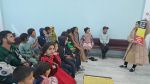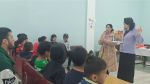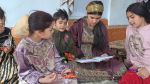
“That’s what our parents tell us!” one of the boys who attends the classes blurted out, revealing a common “secret.”
But God gave the teacher wisdom to lead the children to understand that they themselves, in essence, are also “kafirs”1 and are in need of the saving sacrifice of Jesus Christ so as not to end up in hell forever.
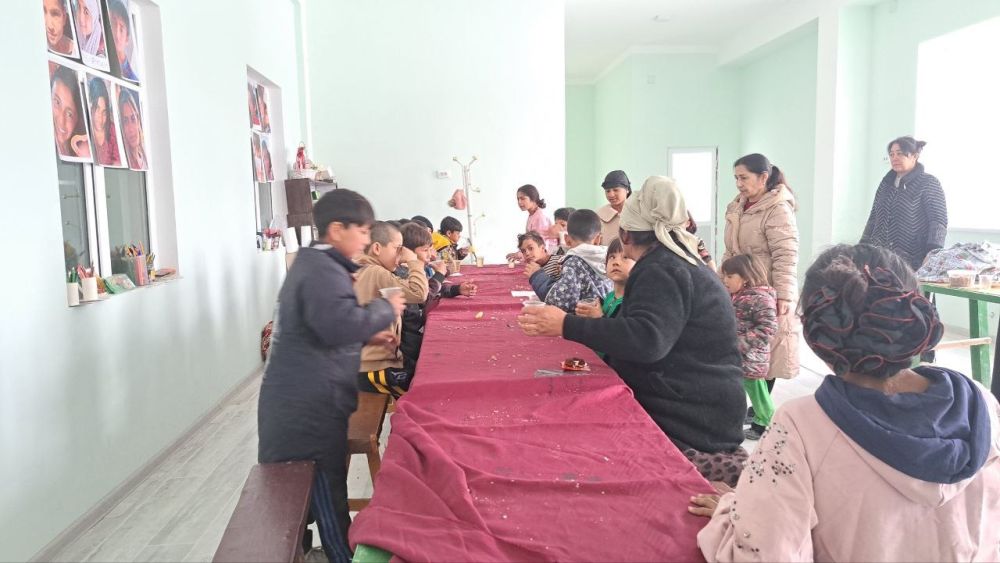
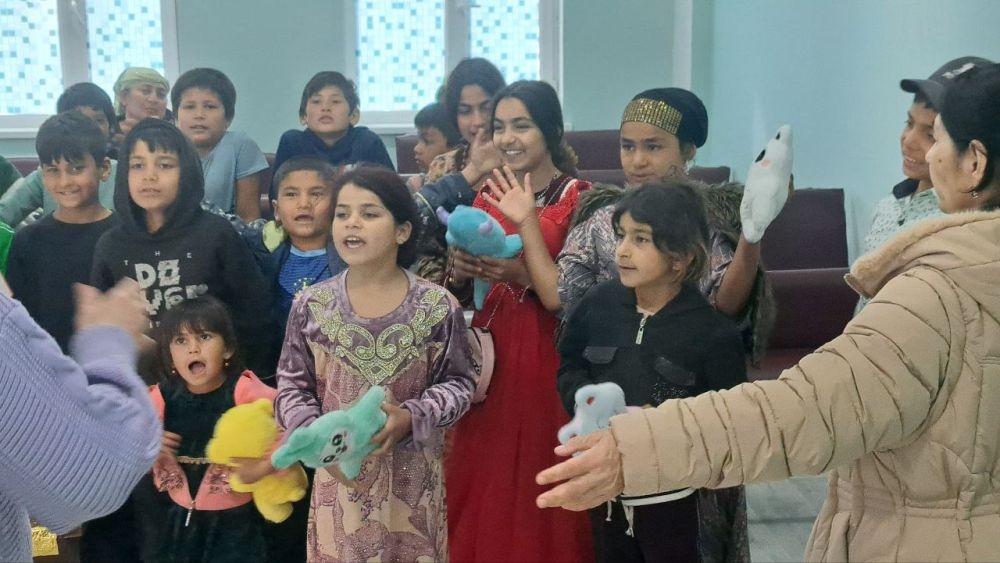
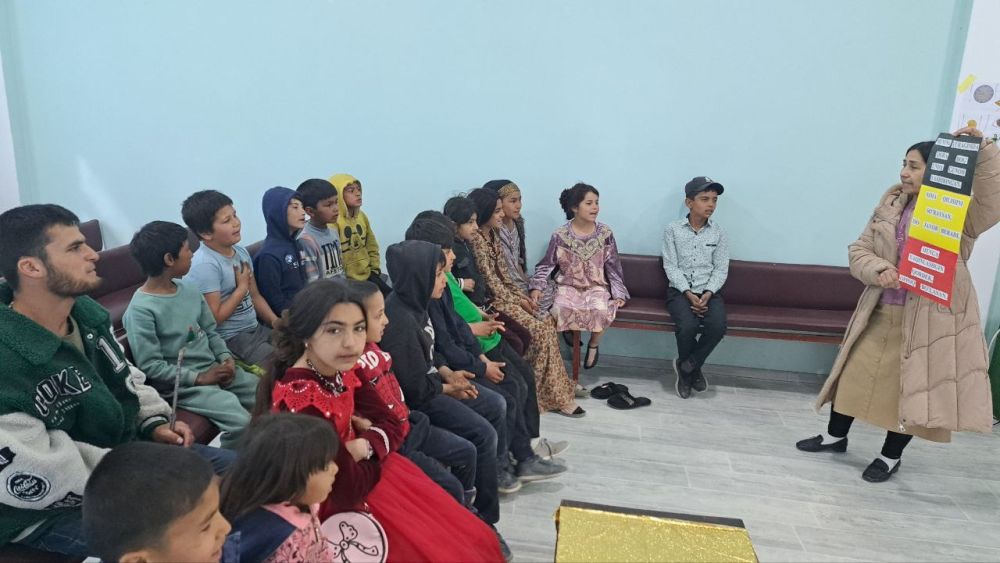
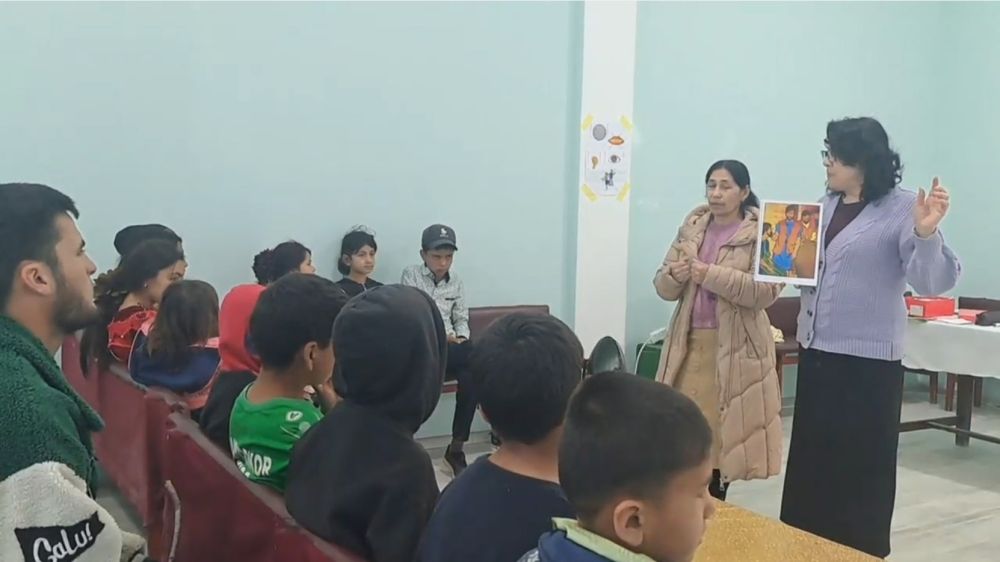
The teacher and translators working with the Mugata people in Uzbekistan—about whom we share updates every month (you can find them on this page of the Union’s website)—constantly face serious questions and seek biblical answers to them.
At one of the recent lessons, the topic was exactly what is reflected in the title:
“You are kafirs, and we must not come to you or listen to you! That’s what our parents tell us!”
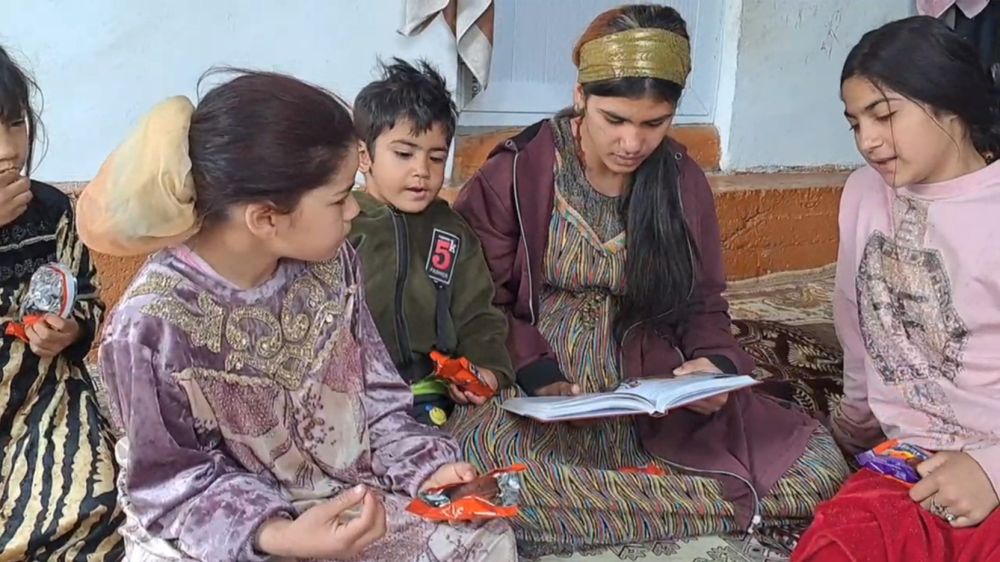
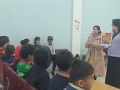
What do you say to such a statement? Sister Vera knew what the word kafir meant, but after praying, she decided to ask the children what they and their parents understood about it.
— Who are kafirs?
— They are sinners; we shouldn’t associate with them.
— And what sins make a person a sinner? If someone lies, is he a sinner?
— Oh yes, he’s a sinner! — the little “faithful ones” shouted together.
— For example, you, — Vera addressed one of the students. — Did you lie to anyone yesterday or today?
The boy thought for a moment and quietly answered:
— Yes.
— Then who are you?
— A sinner! — he replied, lowering his head.
— And you, — Vera turned to another. — Have you ever hurt anyone? Pulled girls by their hair? Always obeyed your parents?
— No, I haven’t. So, I’m a sinner too?
— But I always obey. I’m not a sinner! — cried one girls.
— Let’s ask your mother, — Vera replied, then turned to Aziza, whose daughter had just declared her complete innocence.
— Aziza, is that true? Does your daughter always obey you, never lie, and always do what is right?
Aziza looked around at the group. Many of them were her relatives, and she knew well how they behaved.
— None of them obey! They’re all sinners!
— You see, you and I—all of us are also sinners and deserve hell, — Vera continued. — So, what should we do to avoid going to hell?
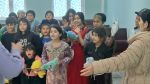
— We must ask Isa (Jesus) to forgive us! — the children shouted all at once.
The children have grasped the truths of the Gospel, but they have not yet learned to apply them to their lives. They and their parents need to be born again—as we discussed it in the previous article. Therefore, we once again ask all of you, our readers, to pray for the awakening of these children and adults, so that all the work being done in Uzbekistan with your support will not be in vain.
There are also several prayer requests:
- Brother Alisher, whom we wrote about six months ago, traveled with his wife (a Russian citizen) to the Far East so that she could give birth there. They recently returned, and Alisher immediately rejoined the work with children. He clearly has gifts for this ministry, and Vera suggested he undergo special training. However, he needs clear guidance from the Lord on what to do, as well as prayer and financial support.
- A relative of the translator Matlyuba has begun helping the team in ministry. It is a joy to see the love, tenderness, and patience with which she treats the children! However, she also has certain difficulties at home. Pray that the Lord will resolve them and give her more time for ministry among the Mugata people.
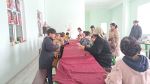
- The team is launching a social project: they will teach several women how to use sewing machines. This will attract more women, help them develop new skills, and give the team opportunities to communicate with them and share deeper truths of God’s Word. Pray for these young women, that the Lord would open their hearts to the Good News.
- Brother Shukhrat, while visiting the settlement, has begun reading a children’s Bible with both children and adults. Pray that the seed would fall on good soil and bring abundant fruit.
- And of course, pray for the team: Pastor Shukhrat, Vera, Matlyuba, Shakhnoza, Said, and Alisher—they greatly need our support.
May God bless us all and grant us a strong desire to continually bring petitions before His throne for revival in the Mugata settlement, for the new birth of both children and adults, and for the salvation of their souls!
Olga Avetisova
1 Kafir (Arabic: “unbeliever; infidel”) is a term in Islam used to describe a person who commits kufr (disbelief). According to Islamic doctrine, this includes:
- disbelief in the existence of the one God (Allah),
- rejection of the prophetic mission of Muhammad,
- denial of resurrection after death,
- denial of the Day of Judgment,
- denial of the existence of hell and paradise.
Atheists and followers of non-Abrahamic religions are also considered kafirs.