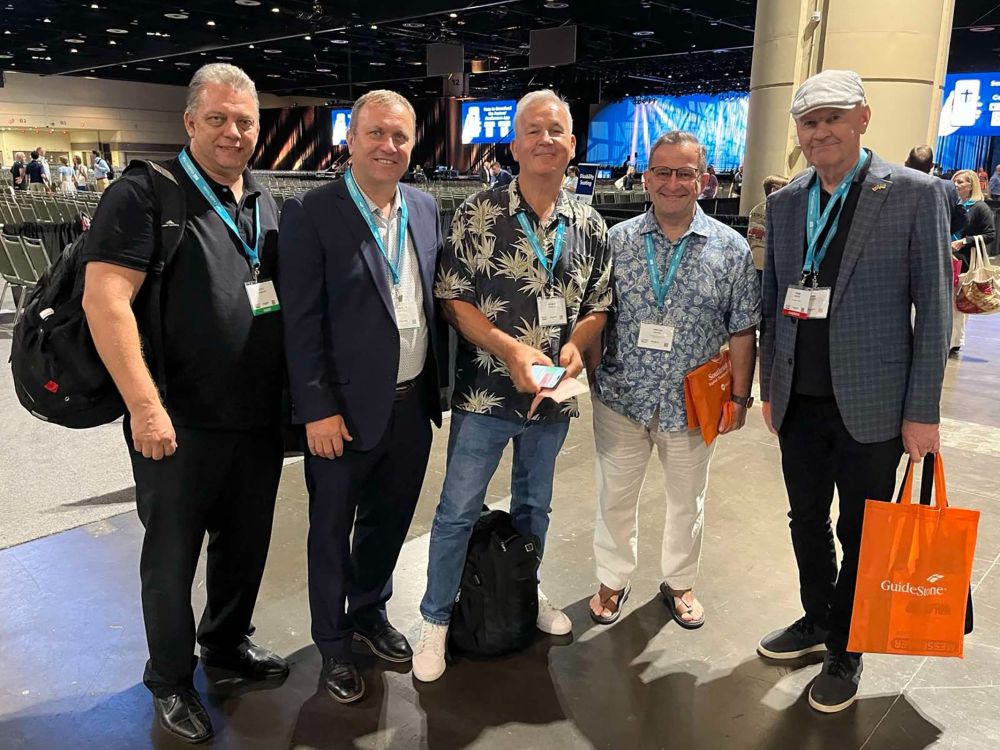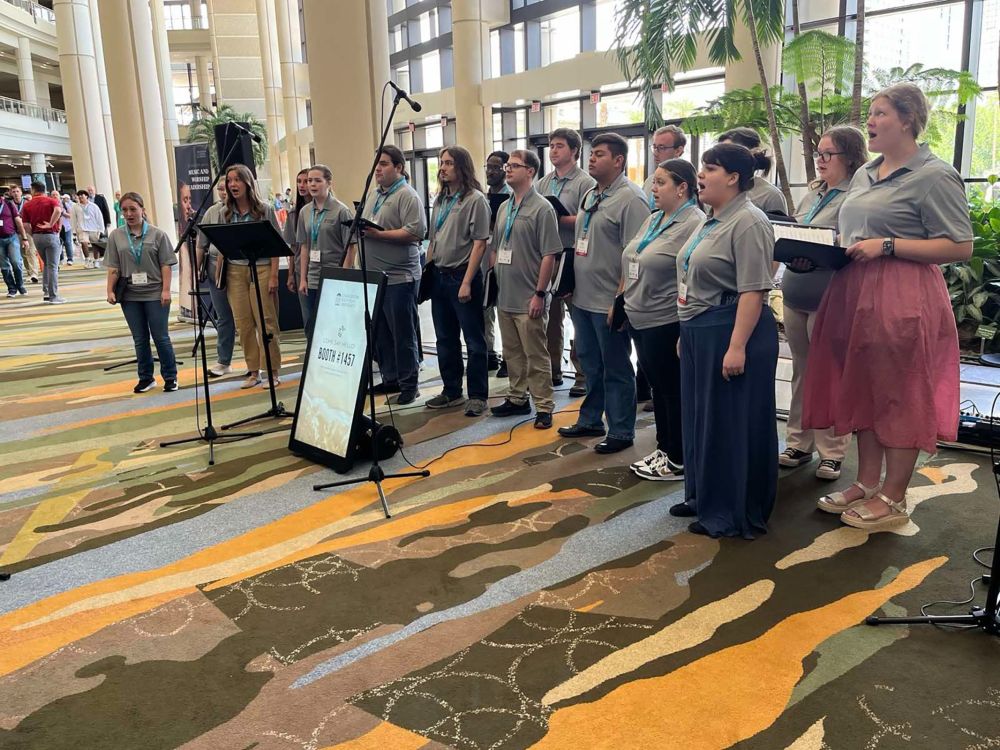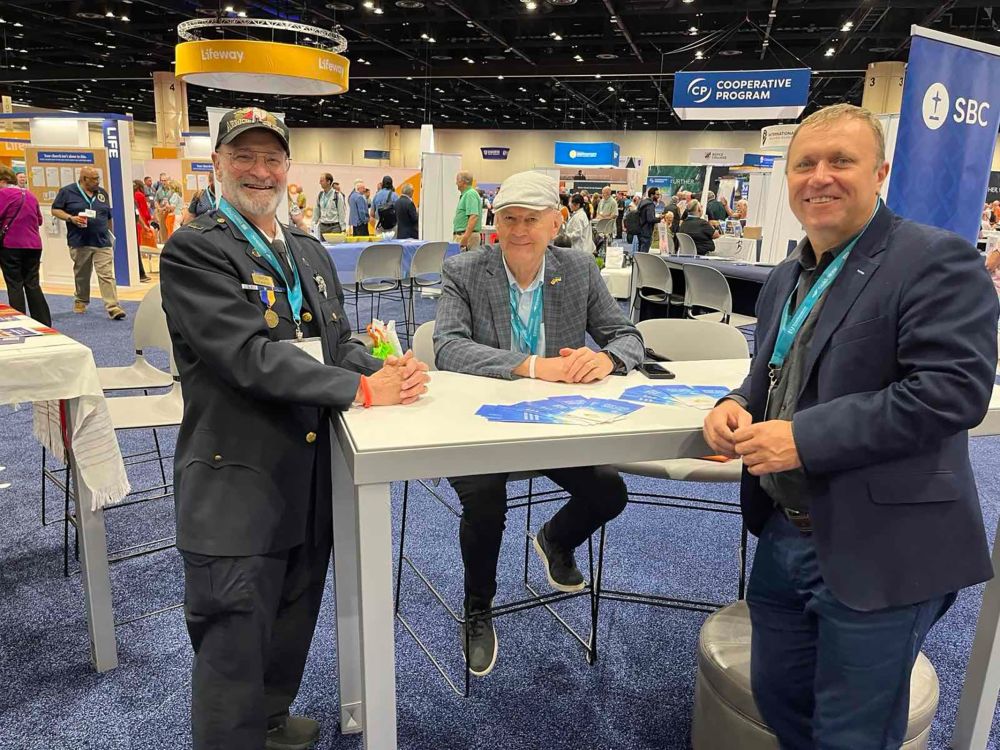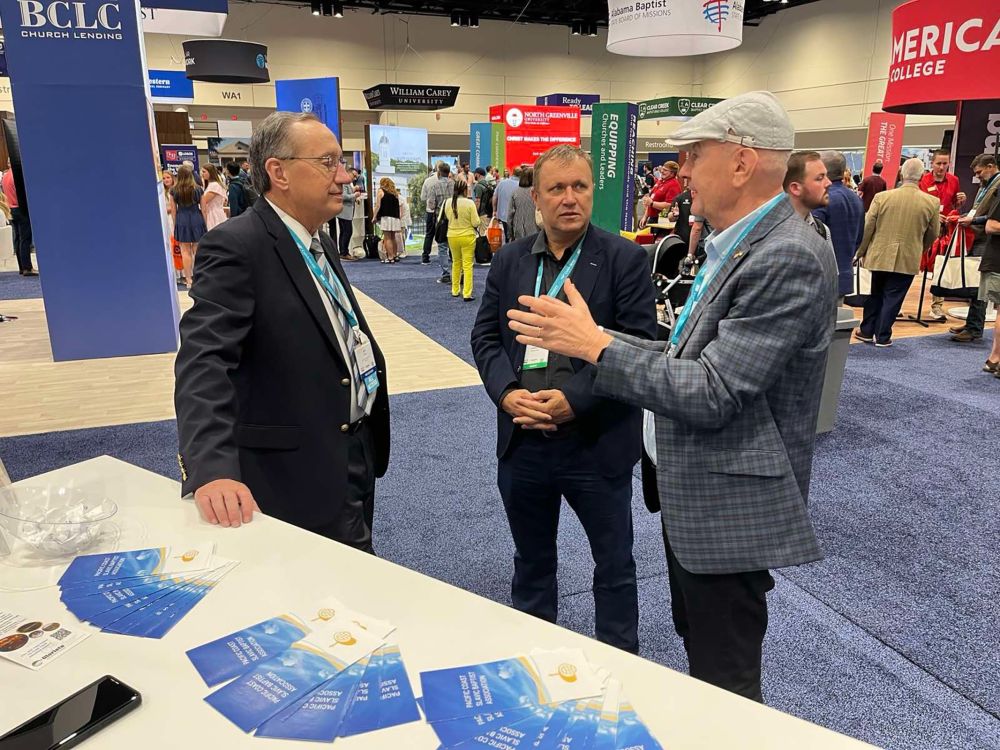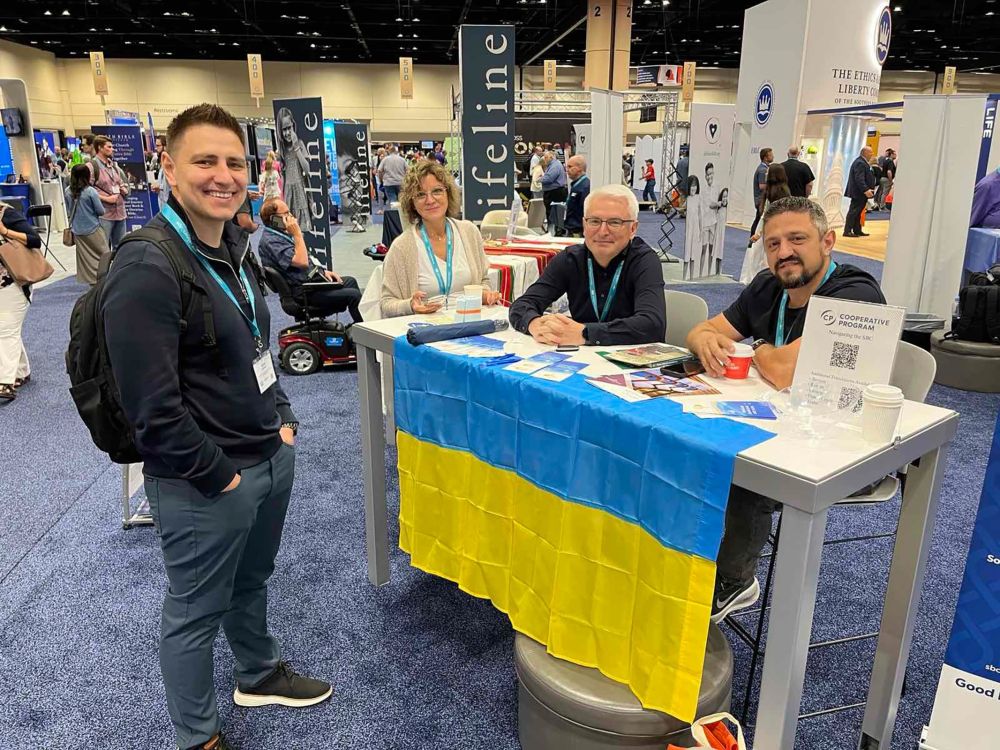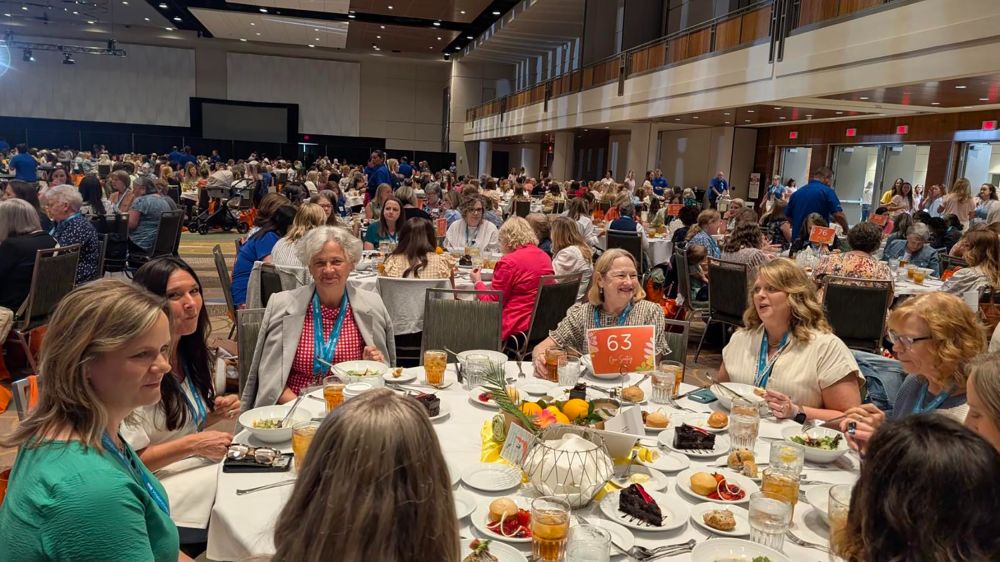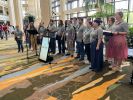
From June 7 to 10, the annual Southern Baptist Convention took place in Orlando, Florida. As usual, it began with a two‑day Pastors’ Conference, which is open to everyone.
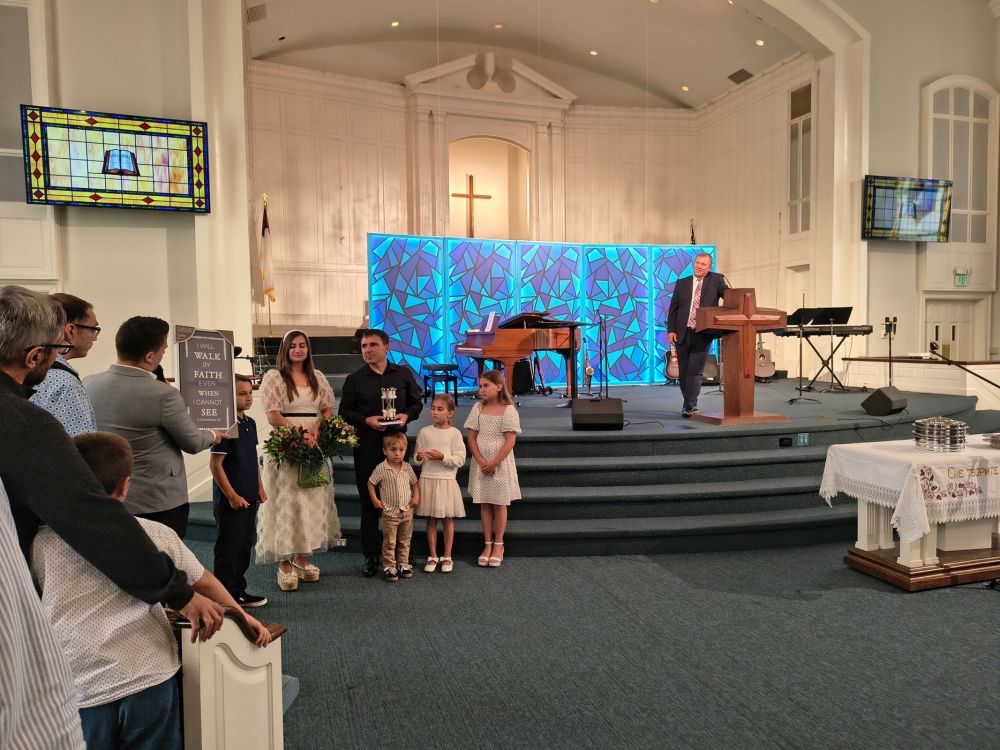
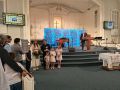
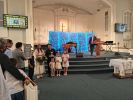
On June 7, my wife and I visited the Slavic “Salvation” Church in Orlando, where Pastor Andrey Kravchuk serves. After the service, we stayed for the church lunch, during which members and guests had the opportunity not only to strengthen their physical bodies but also to continue fellowship in an informal setting. I am grateful to Pastor Andrey for his hospitality and the help he provided after our overnight flight.
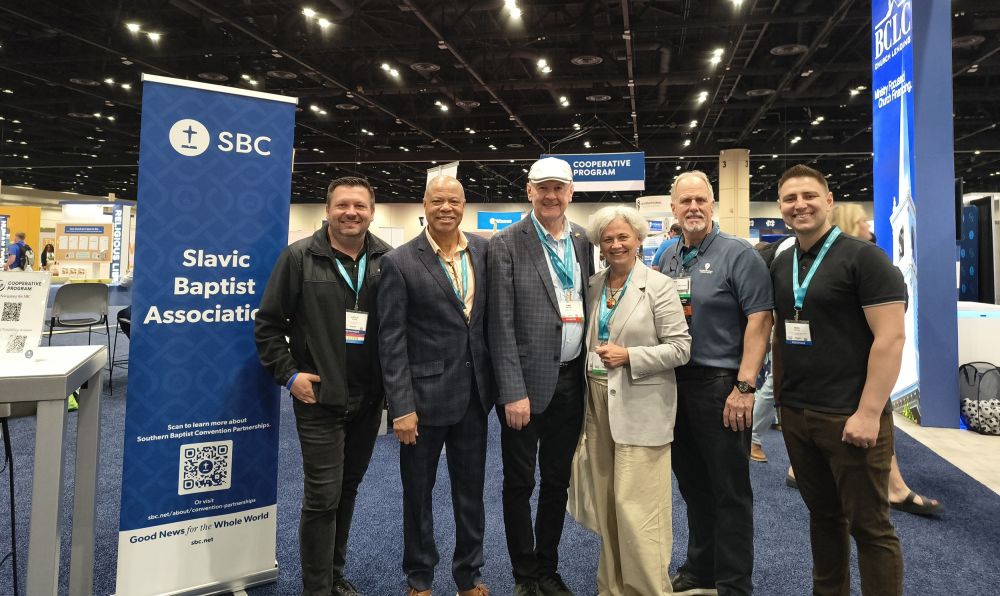
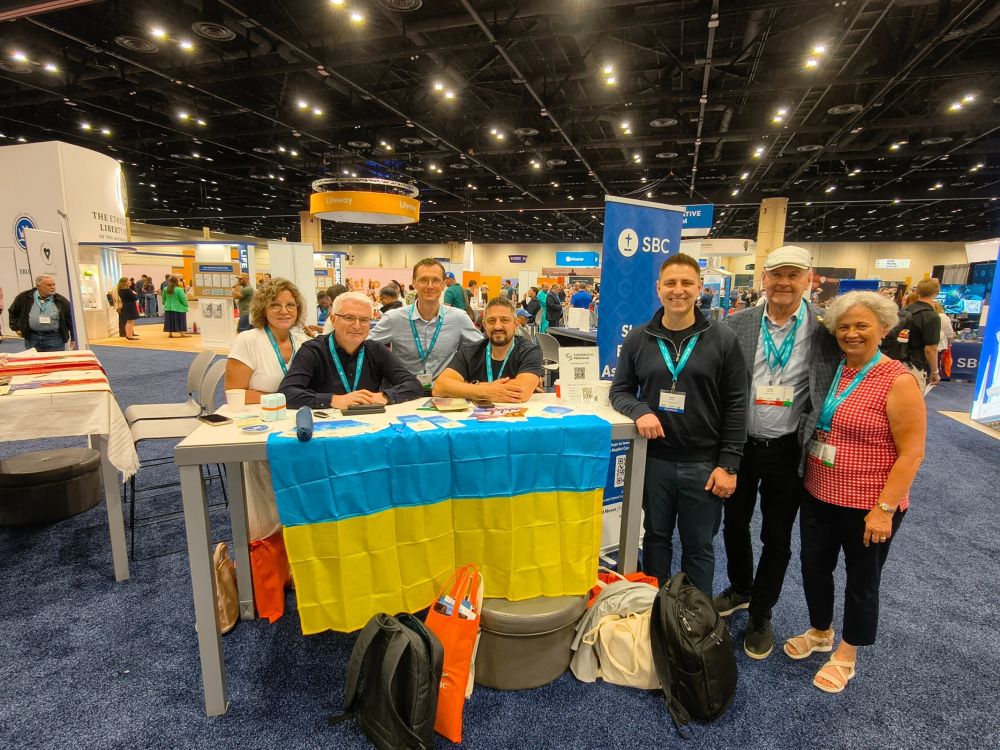
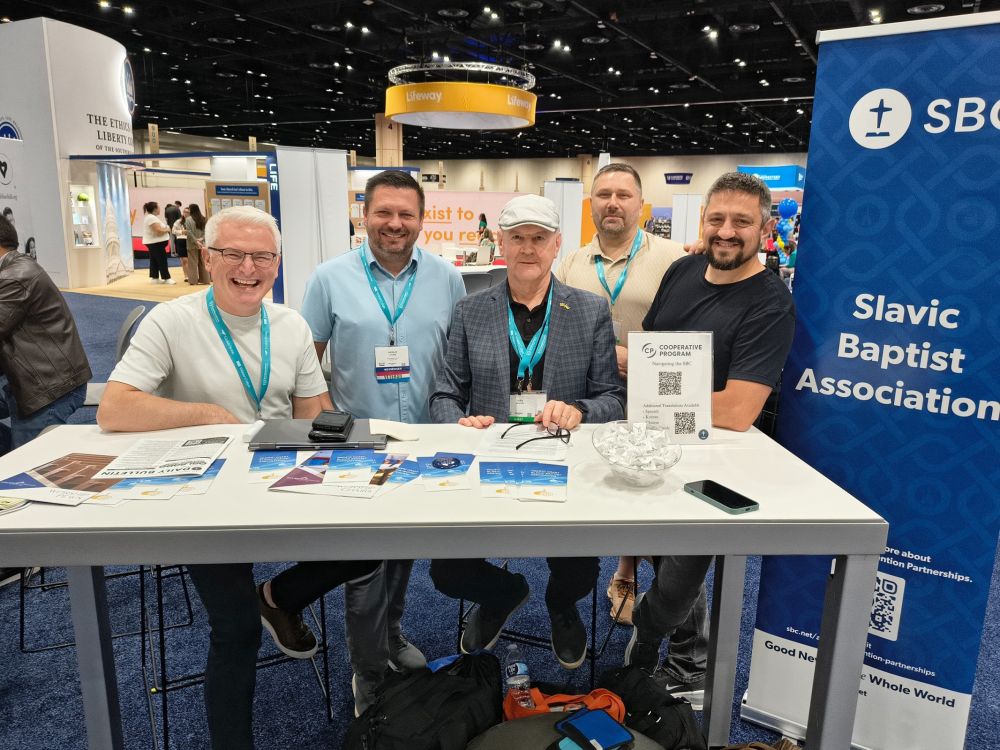
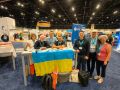
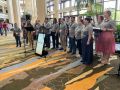
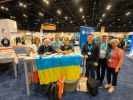
On June 8, the entire day was filled with various meetings, as well as my direct responsibility to be present at the “Slavic Baptist Union” booth within the “SBC All Nations” exhibit area. This is the traditional place of representation for the Pacific Union, as well as a place for informal meetings and connections among Slavic attendees at the convention.
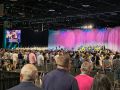
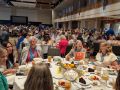
That same day, I attended a luncheon organized by NAMB, with 5,000–6,000 people present. It was not only a time of fellowship and food but also an excellent program prepared by NAMB, emphasizing the importance of church planting and encouraging those who are serving in this ministry today.
In the evening, I also attended a dinner organized by IMB, which brought together many missionaries and the leadership of the world’s largest Baptist mission organization. IMB is the primary instrument of the SBC in fulfilling the Great Commission through evangelism, sending missionaries, and planting churches around the world. I also attended the Pastors’ Conference, where well‑known SBC pastors delivered excellent messages.
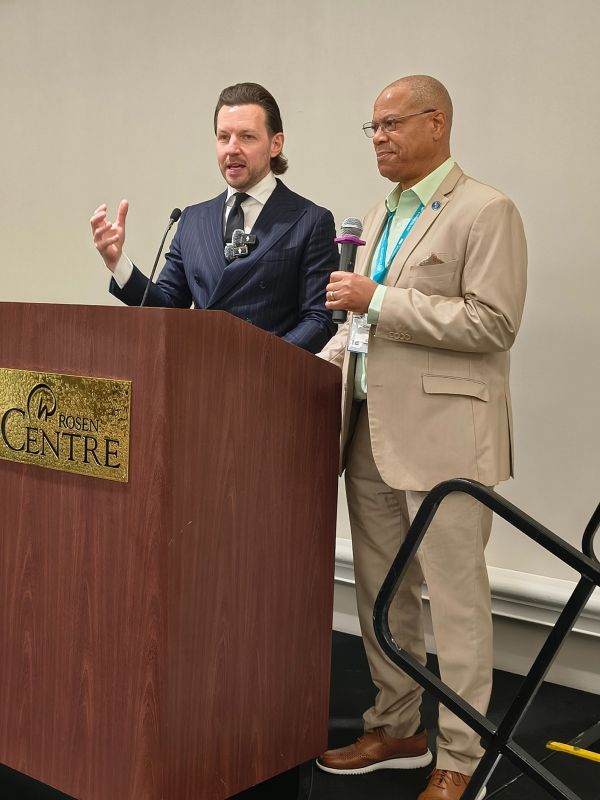
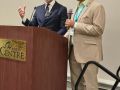
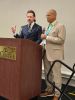
On June 9, at 7:00 AM, we attended the breakfast for leaders of the SBC’s national fellowships. We were joined by the president of the SBC Executive Committee, Dr. Jeff Iorg. The breakfast was organized by the SBC Executive Committee under the leadership of Charles Grant, Associate Vice President of Convention Partnerships.
I also attended a luncheon for pastors of small churches, organized by NAMB. The program was wonderfully prepared, with speakers encouraging pastors whose churches have fewer than 100 people in Sunday attendance. The majority of SBC churches fall into this category.
One of the main events for Slavic pastors was the dinner organized by the SBC Executive Committee, IMB, and NAMB. Several years ago, informal gatherings of Slavic pastors during the convention grew into a meaningful tradition. During the dinner, leaders from IMB and NAMB shared opportunities for cooperation and the resources the SBC offers for joint ministry. A significant role in preparing the dinner was played by John Barnett (Director of Diaspora Engagement), Mick Stockwell (Global Mobilization Catalyst), Bogdan Kipko, and myself. This year, thanks to IMB’s efforts, Slavic ministers gained the opportunity to study in the Master’s program at Temple Seminary not only in English but also in Russian. This is the only SBC‑accredited seminary in the United States offering various programs in Russian.
On June 10, we continued representing the Pacific Union at our booth until the exhibit hall closed, after which my wife and I returned home to California.
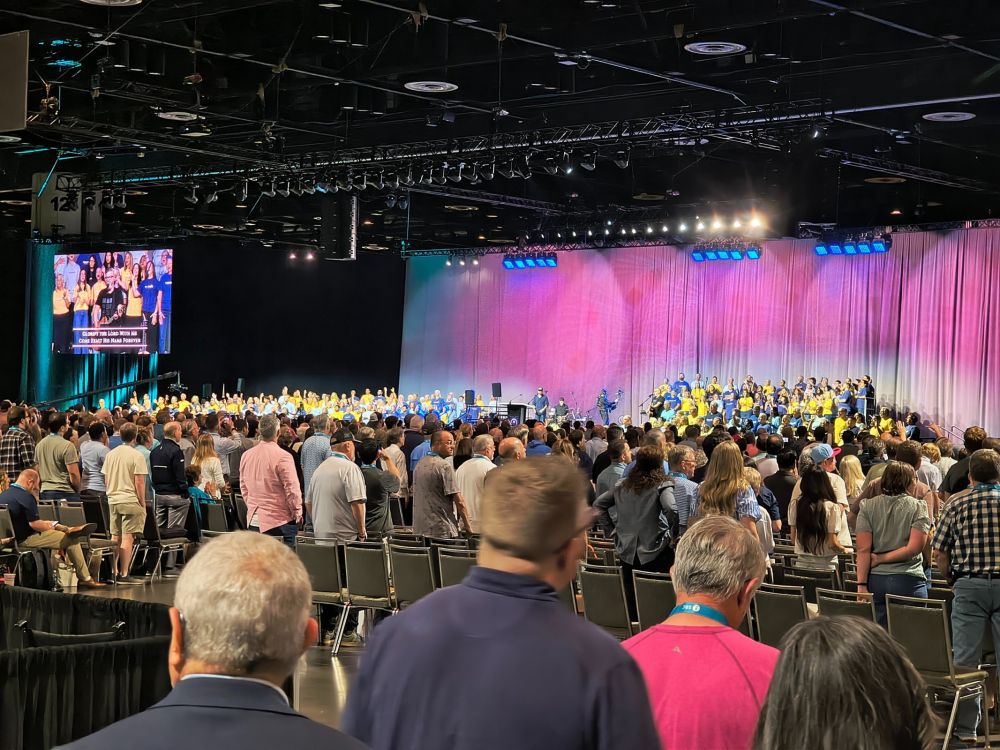
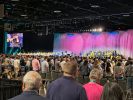
Reflecting on the business portion of the convention, I was not able to attend most of it in person. However, with the program in hand, I watched the available video recordings (open to the public at https://sbcannualmeeting.net/), especially the sessions involving motions and delegate discussions. Any voting messenger may submit motions, and they do so personally. Churches that do not financially support SBC missions do not have voting rights; their representatives attend as guests. This year, the total number of messengers, guests, and mission representatives in the exhibit hall was 21,144.
One of the major motions at this year’s meeting was submitted by Albert Mohler, reaffirming the SBC’s position that the office of pastor in a local church is reserved for men. The Bible does not provide a basis for women serving in the role of senior pastor‑teacher. The SBC consistently emphasizes its commitment to the authority of Scripture in all matters of faith and church practice.
Another resolution—one in which I previously participated—addressed immigration: “On Immigration, Human Dignity, and the Rule of Law.” The resolution affirms support for lawful enforcement of immigration policy, rejects amnesty without accountability, and condemns negativism, racial hostility, ethnic discrimination, and dehumanizing rhetoric. It also highlights the need for special care for children and families, the protection of religious liberty, and continued ministry among immigrant communities.
Pastor Ivan Mileyev